3 Hidden Costs of Off-the-Shelf Kitchen Retrofits That Custom Fabrication Eliminates
The Real Price of Forcing Standard Gear Into Non-Standard Spaces
Most commercial kitchen retrofits start with a simple mistake: buying off-the-shelf equipment and hoping it fits. In practice, every inch of a hotel or restaurant kitchen is tight. Ill-fitting hoods, mismatched cooktops, and gaps in ventilation lead to three specific cost centers that operators don’t see until after installation.
First, wasted energy. A gas range that sits too far from a suppression nozzle means the fire system covers less area, so you oversize the hood to compensate. That draws more conditioned air out of the kitchen, driving HVAC costs up by 20% or more. Second, rework delays. Customizing standard units on-site adds days of labor and materials, easily $8,000–$12,000 per project. Third, higher maintenance. Non-custom equipment has unnecessary joints and seams that trap grease, accelerating filter clogs and shortening the life of integrated purifiers.
Puguang Kitchen Equipment, a Shenzhen-based factory operating since 2010, sees these problems daily. Over 500 catering enterprises have used their custom stainless steel fabrication to eliminate these hidden costs. The key is designing around the actual space before cutting metal.
How Custom Fabrication and Dual-Tech Routes Solve the Problem
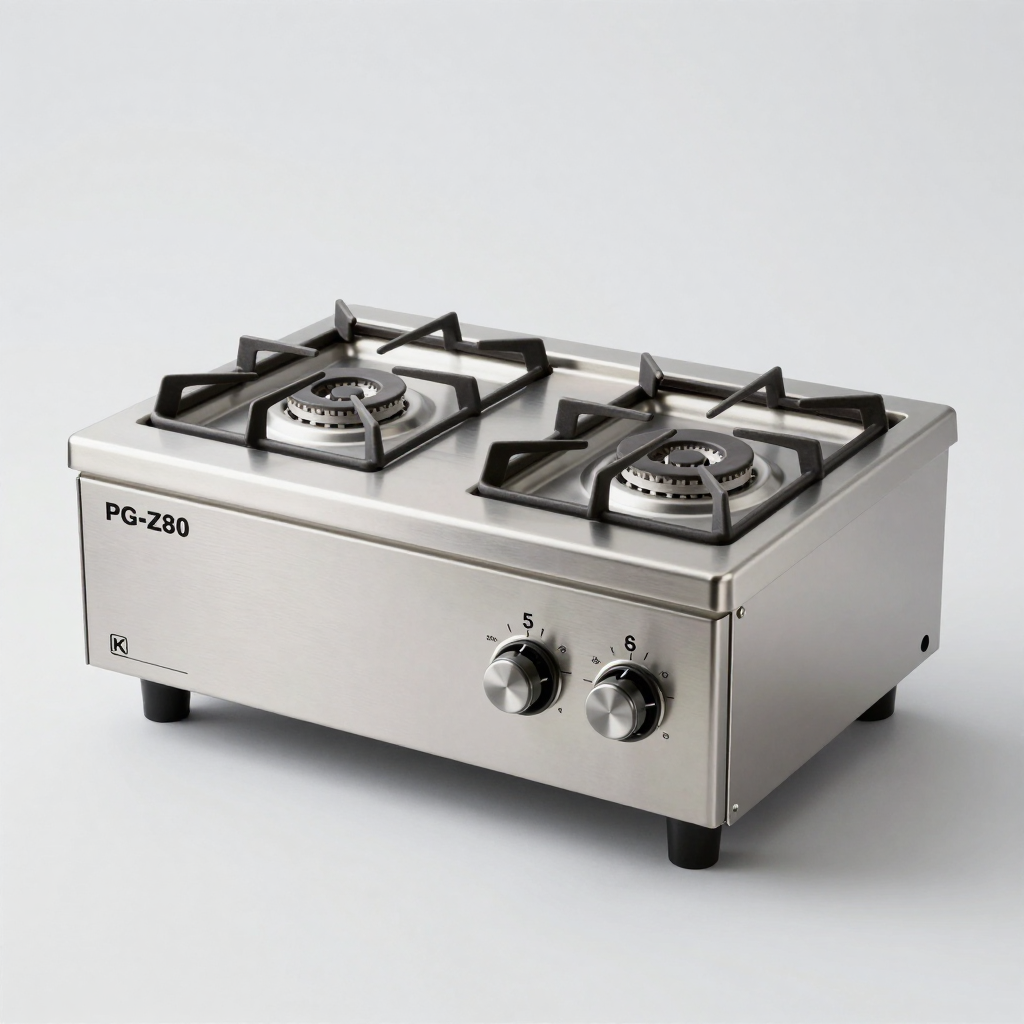
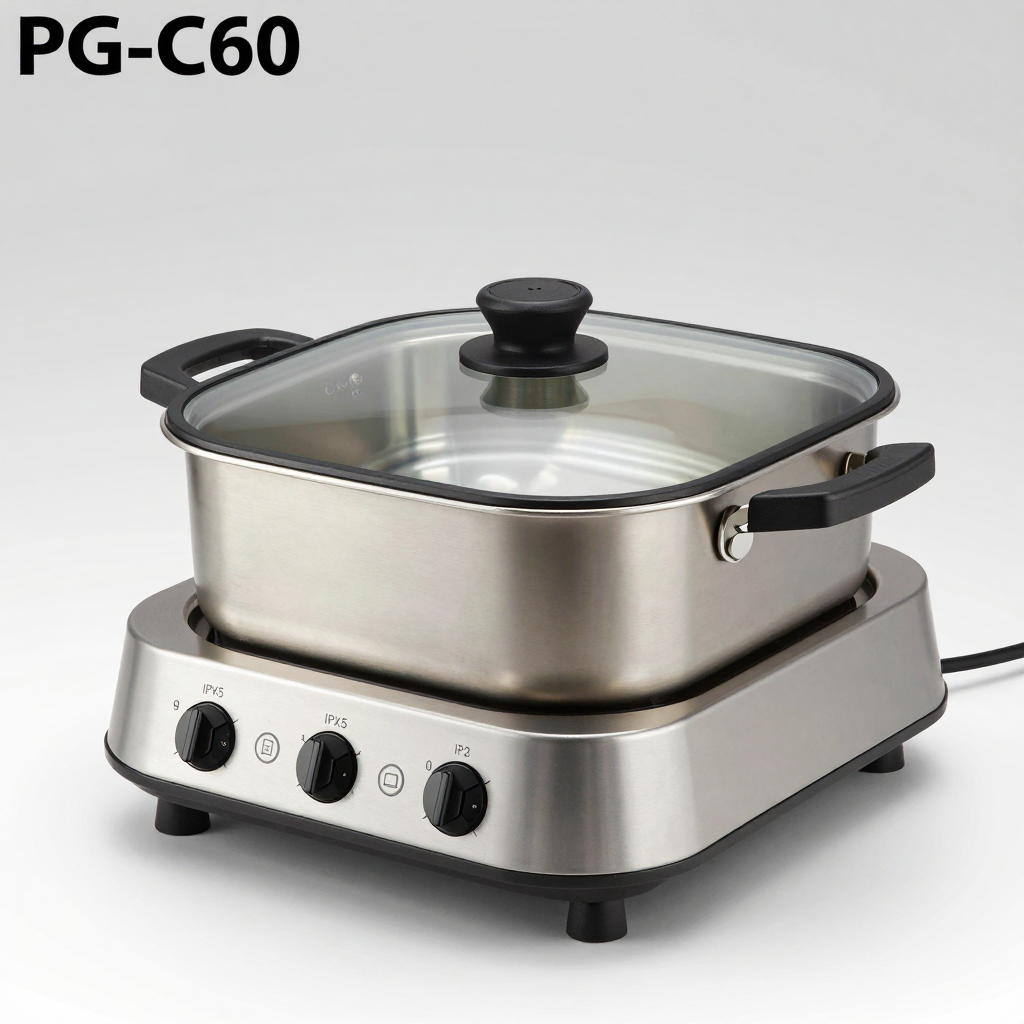
Instead of forcing a single fuel type, Puguang offers full category coverage with both gas and induction technology routes. That means a retrofit can match the stove to the chef’s preference without compromising layout efficiency. Induction zones for high-speed wok cooking, gas for char-grilling—each placed exactly where the fire suppression system’s nozzle ranges are calculated to work.
The company’s intelligent energy-saving package includes automatic stir-fry machines and high-efficiency integrated purifiers. Field data from completed projects shows an average 30% reduction in energy consumption compared to standard mixed-line setups. The savings come from eliminating unnecessary extraction, shorter duct runs, and induction’s direct heat transfer. For a mid-sized hotel kitchen running 16 hours a day, that’s roughly 40,000 kWh saved annually.
Every unit is built in Puguang’s Shenzhen workshop using 304 stainless steel, with welded seams ground flush to reduce grease traps. The same factory supplies non-standard custom stainless steel kitchen equipment for schools, hospitals, and chain restaurants—all with the same fire suppression integration.
Certifications include China Compulsory Certification (CCC) for electrical products and CE for export. As a kitchen equipment source factory, Puguang ships directly to project sites across China and through Shenzhen port for overseas clients.
500+ Projects Confirm the Performance Baseline
Since 2010, Puguang has completed kitchen renovations for over 500 catering enterprises, from 200-seat canteens to 5-star hotel back-of-house. In one Shenzhen hotel retrofit, the original equipment was a mix of three different gas brands with incompatible hood heights. After replacing with a custom integrated layout using induction woks and a gas char-broiler, the hotel reported a 31% drop in monthly gas and electricity bills within the first quarter.
Another project for a 600-person corporate cafeteria involved replacing a ten-year-old stainless steel line. Puguang fabricated new worktables, shelving, and a dual-tech cooking battery—all to the centimeter. The kitchen passed the local fire inspection on the first attempt because every suppression nozzle was pre-aligned at the factory.
These results are not theoretical. The company’s engineering team produces detailed CAD drawings before fabrication, showing exactly where each burner, hood, and fire suppression line sits. No guessing, no field modifications.
Frequently Asked Questions
- What is the typical lead time for a custom commercial kitchen retrofit?
From initial site survey to delivery, Puguang averages 4–6 weeks for standard projects under 200 square meters. Larger installations with complex ductwork may require 8–10 weeks. - Do you integrate fire suppression systems into custom hoods?
Yes. Every custom hood is designed with a dedicated channel for the fire suppression nozzle line. We work with your fire safety contractor to ensure UL 300 or equivalent compliance. - Can I mix gas and induction in the same kitchen line?
Absolutely. Puguang’s dual-technology approach supports both fuel types on the same countertop, with separate gas and electrical runs pre-routed in the steel frame. - What stainless steel grade do you use?
Standard fabrication uses 304 stainless steel, 1.2 mm to 1.5 mm thickness for work surfaces, and 1.0 mm for panels. 316L is available for coastal environments near Shenzhen.