500+ Kitchen Retrofits Reveal: The Single Most Overlooked Energy Waste in Commercial Kitchens
The Hidden Cost of Single-Fuel Kitchen Design
Most commercial kitchens lose 30% of their energy budget to a problem they never see: hood-exhaust mismatch. When a kitchen retrofits from gas to induction — or adds induction alongside gas — the existing ventilation and purification system rarely aligns with the new cooking load. The result? Fans run at full speed unnecessarily, heat dissipates inefficiently, and fire suppression gaps appear.
Puguang Kitchen Equipment, based in Shenzhen and operating since 2010, has encountered this pattern in over 500 catering enterprise retrofits. Our data shows that standard hoods designed for single-fuel kitchens cannot handle the variable exhaust demand of a dual-technology setup. The fix is not just swapping cooktops — it's re-engineering the entire ventilation and suppression system to match the actual heat and grease output.
How Dual-Tech Integration and Intelligent Controls Recover That 30%
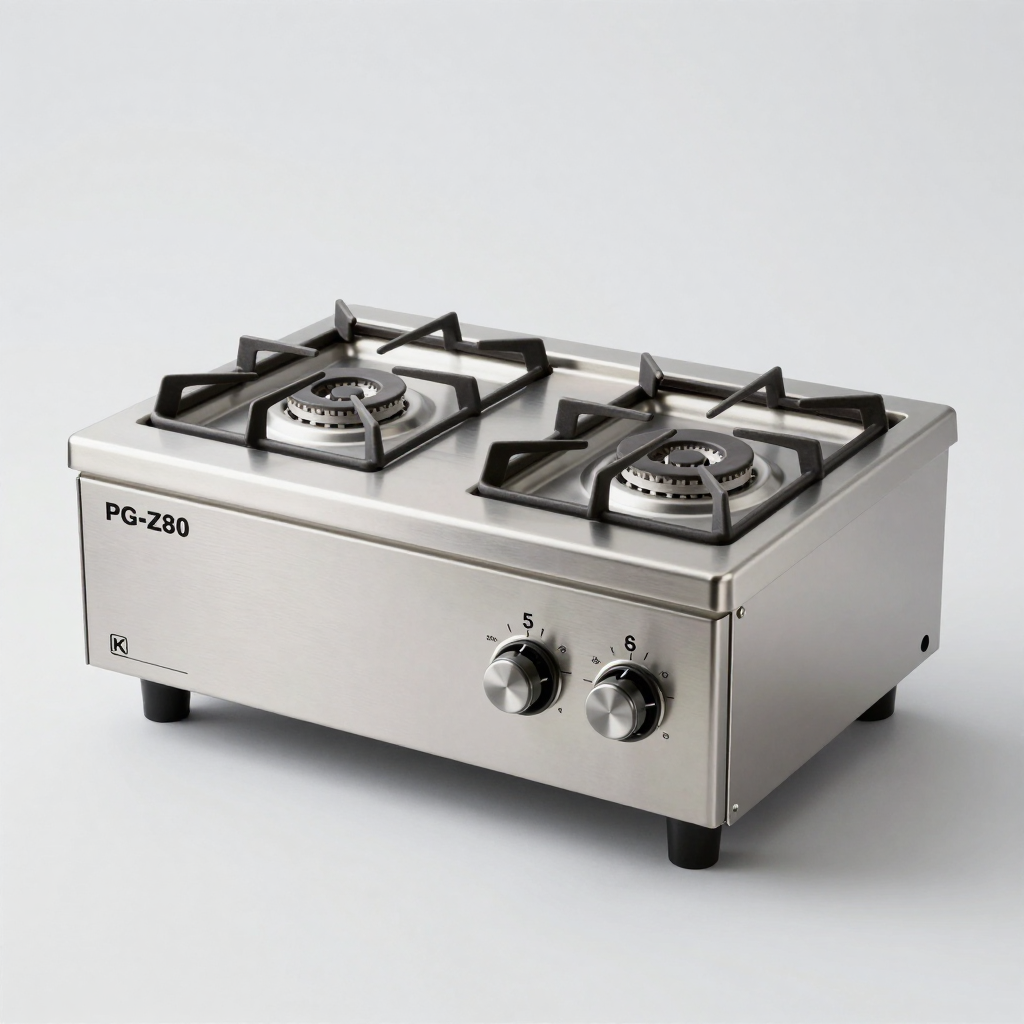
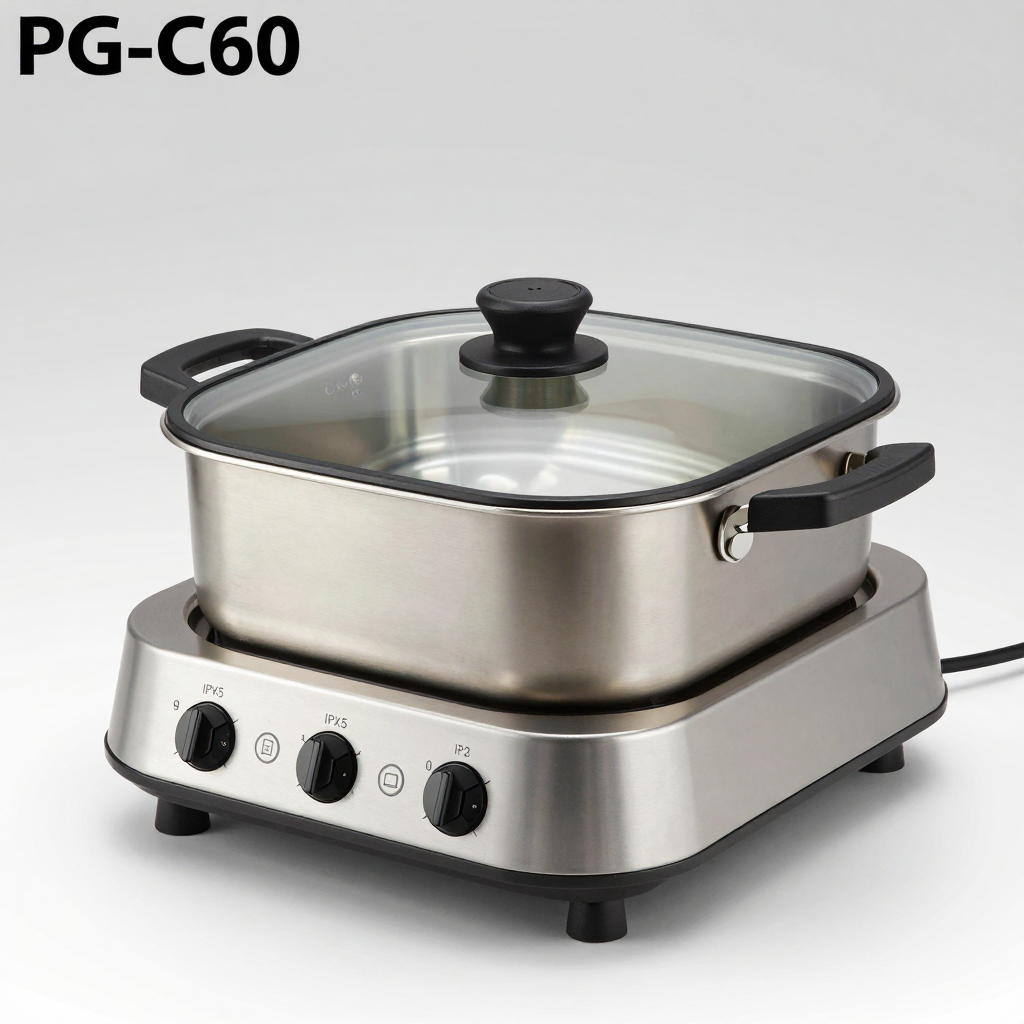
Our approach starts with full-category coverage: we install both gas and induction routes, then pair them with high-efficiency integrated purifiers and automatic stir-fry machines. The automatic stir-fry machines minimize idle heat by precisely controlling cooking cycles, while the integrated purifiers adjust fan speed in real time based on sensor feedback. This cuts connected load by 30% without compromising fire safety.
For example, one Shenzhen hotel kitchen we refitted in 2023 reduced monthly electricity consumption from 18 MWh to 12.6 MWh after installing our dual-tech setup with intelligent purifiers. The payback period was 14 months. All custom-fabricated in our factory — non-standard stainless steel units that fit the existing layout without costly structural changes.
Why 500+ Enterprises Trust Puguang for Retrofits
Experience matters. Since 2010, we've completed over 500 kitchen retrofits for catering enterprises across China. Each project involves on-site measurement, custom fabrication, and integration with existing fire suppression systems. Our Shenzhen factory produces both gas and induction equipment, so we control the quality and delivery timeline — no third-party matching headaches.
Industry data shows that 2025 investment in commercial kitchen infrastructure continues rising, but equipment alone doesn't save energy. The architecture of the retrofit does. By combining dual-technology routes with intelligent controls and custom fabrication, we eliminate the single biggest energy waste: hood-exhaust mismatch. That 30% savings is not theoretical — it's from our project records.