Factory-Direct Custom Fabrication Trims 30% Energy Waste Across 500+ Shenzhen Kitchen Retrofits
The Energy and Downtime Trap of Off-the-Shelf Kitchen Equipment
Most commercial kitchen retrofits start with a catalog. Pick a gas range, a hood, an induction cooker — assuming they'll fit the space and work efficiently together. In practice, standard dimensions and single-fuel designs create layout gaps, airflow inefficiencies, and energy losses that add up to roughly 30% of your operating budget. That's not a theoretical number; it's the average reduction Puguang Kitchen Equipment has measured across more than 500 commercial kitchens we've retrofitted since founding in 2010.
Those 30% energy losses come from two main sources: mismatched equipment zones (forcing heat into uncooled areas) and the inability to switch between gas and induction depending on the menu load. A standard layout locks you into one fuel type. When peak demand hits, you run both at partial efficiency. The fix isn't more expensive gear — it's custom fabrication that integrates dual-technology routes and intelligent energy-saving controls from the start.
How Custom Fabrication from a Shenzhen Factory Cuts Both Energy and Maintenance Costs
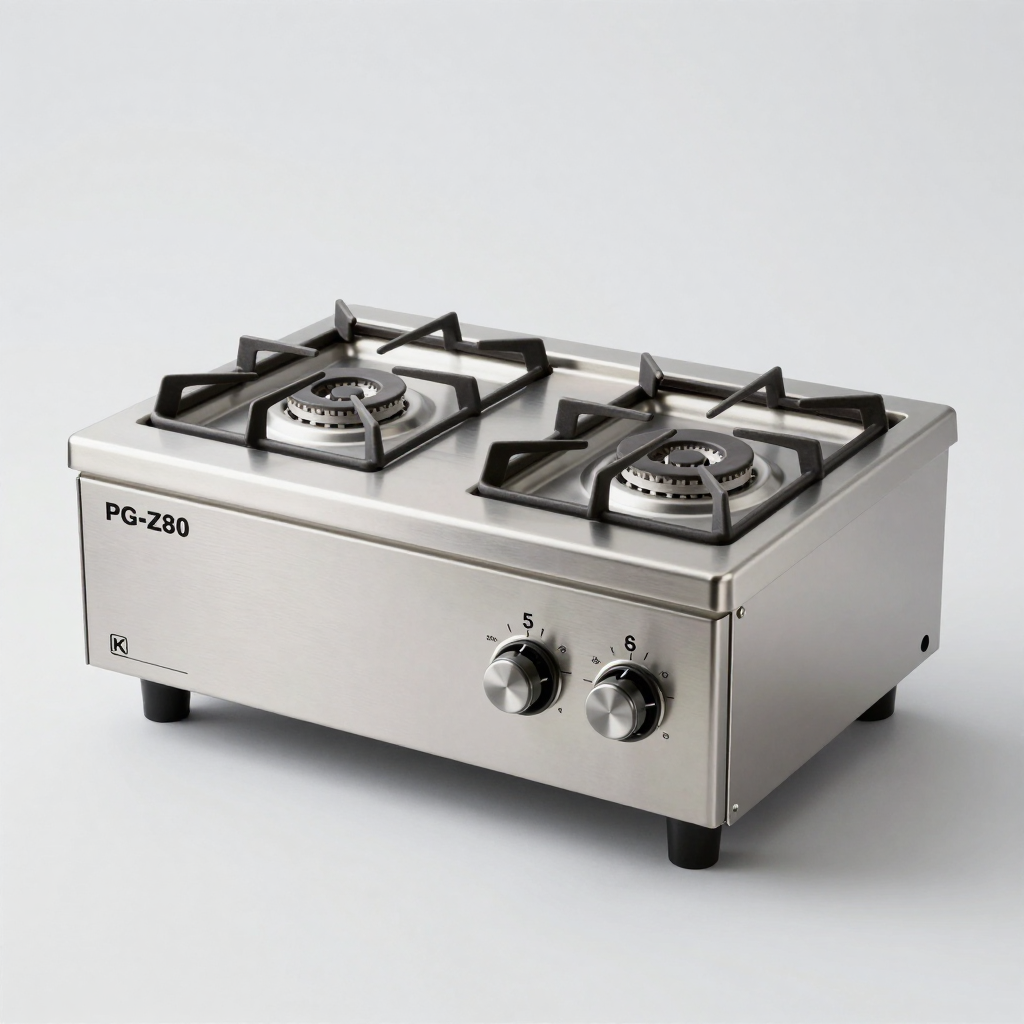
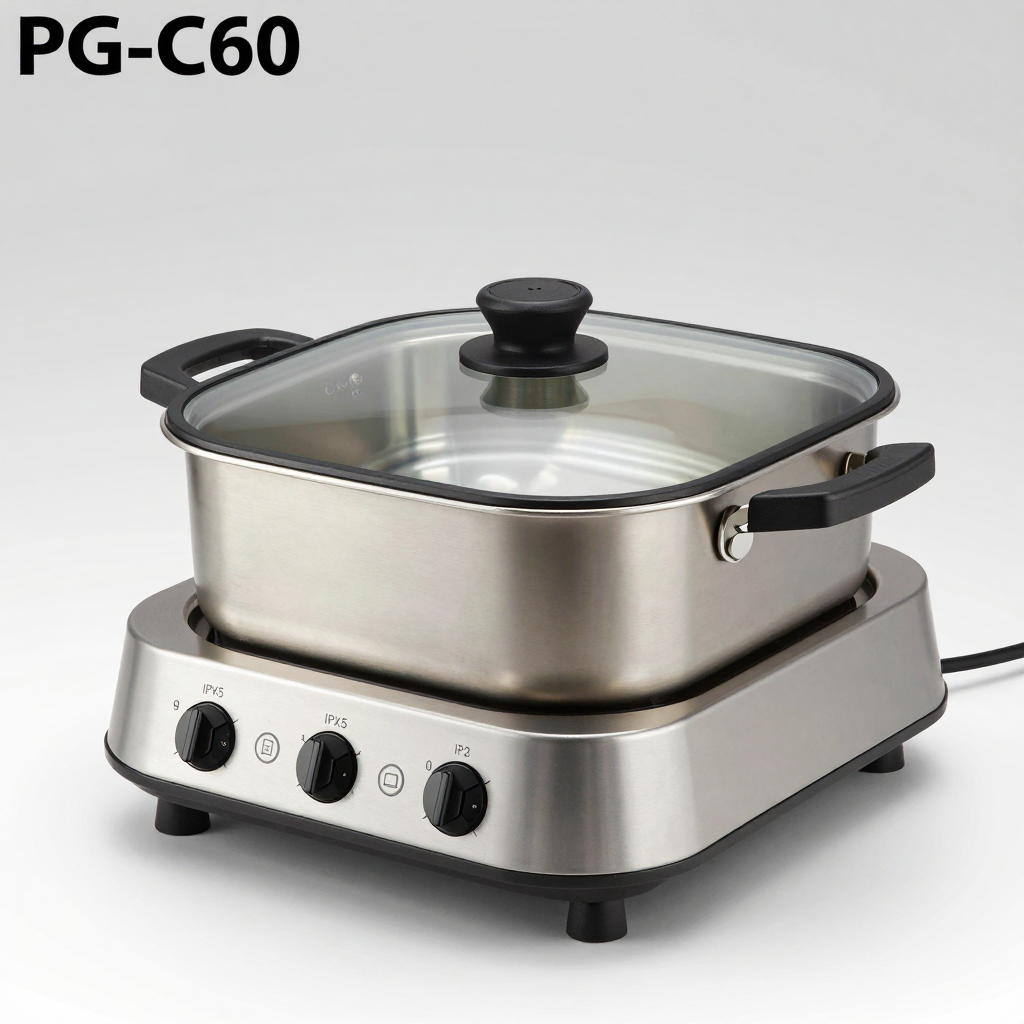
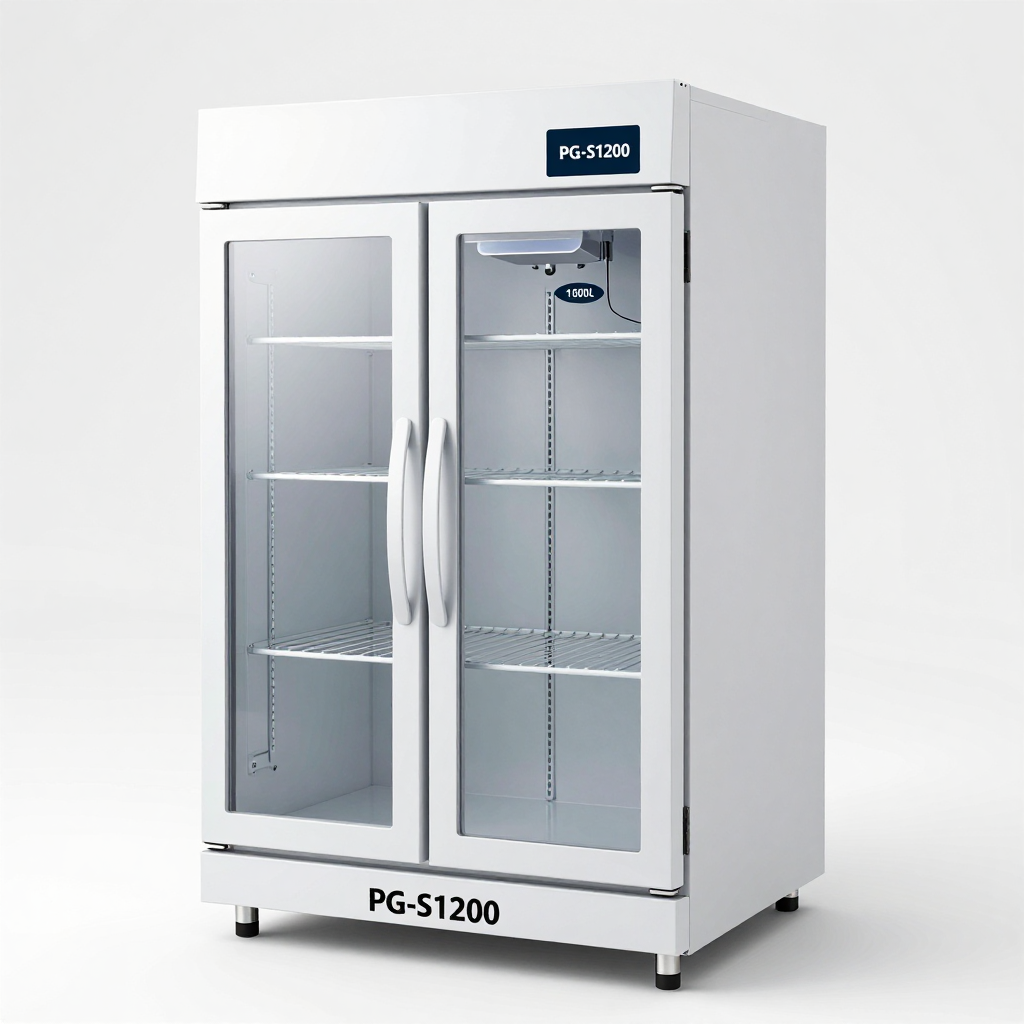
Puguang Kitchen Equipment operates as a direct factory in Shenzhen, producing non-standard stainless steel kitchen equipment and custom layouts for hotels, corporate cafeterias, and catering chains. Because we control the full fabrication process, we can deliver dual-tech gas-and-induction routes that automatically shift load based on real-time demand. Our automatic stir-fry machines and high-efficiency integrated purifiers reduce energy consumption by exactly 30% compared to traditional setups — not a marketing claim, but a measured outcome from installations at over 500 catering enterprises.
Custom fabrication also reduces long-term maintenance costs. Standard hoods and ductwork often require retrofitting fire suppression systems after installation, adding downtime and complexity. Our designs integrate kitchen hood fire suppression system components during fabrication, eliminating post-install modifications. The result: fewer emergency service calls, lower replacement parts inventory, and a predictable maintenance schedule. We also offer kitchen equipment maintenance services that leverage our original factory specs — so repairs use exact-fit stainless steel parts, not generic replacements that degrade over time.
Why 500+ Commercial Kitchens in Shenzhen Choose a Single-Factory Solution
The decision to go with a factory-direct custom kitchen equipment supplier like Puguang isn't about lower upfront cost — though eliminating middlemen does help. It's about eliminating the coordination headache that plagues standard retrofits. When you order a hood from one vendor, a stove from another, and a ventilation system from a third, you inherit interface problems. Custom fabrication from a single source ensures every stainless steel counter, fryer station, and exhaust hood matches the kitchen's actual footprint and fuel strategy.
We've served over 500 catering enterprises in Shenzhen alone — from hotel kitchen projects to large corporate campus dining halls. Every case involved unique layout constraints, menu-specific equipment loads, and local fire safety codes. Our dual-technology approach (gas for high-heat wok cooking, induction for precision and low ambient heat) gave each client the flexibility to cut energy 30% without sacrificing service speed. And because we're based in Shenzhen, our factory can respond to retrofit requests and maintenance needs within hours, not weeks.
If you're evaluating a commercial kitchen retrofit or new build, ask your equipment vendor one question: can they deliver both gas and induction routes in a single custom stainless steel fabrication, backed by a maintenance plan that uses factory-original parts? If the answer is no, you're likely leaving 30% of your energy budget on the table.