Kitchen Retrofit Dead Ends: Why 500+ Facilities Cut Energy 30% with Dual-Tech Routes
The Hidden Cost of One-Size-Fits-All Kitchen Retrofits
Walk into most commercial kitchens built before 2020, and you'll see a single fuel type driving the line: gas burners or electric coils. When it's time to retrofit for energy efficiency, most suppliers offer only a swap — replace gas with induction, or upgrade to a newer gas model. That forced choice often means ripping out vent hoods, rewiring panels, or re-running gas pipes. The hidden cost? Downtime, lost revenue, and a retrofit that misses the real savings.
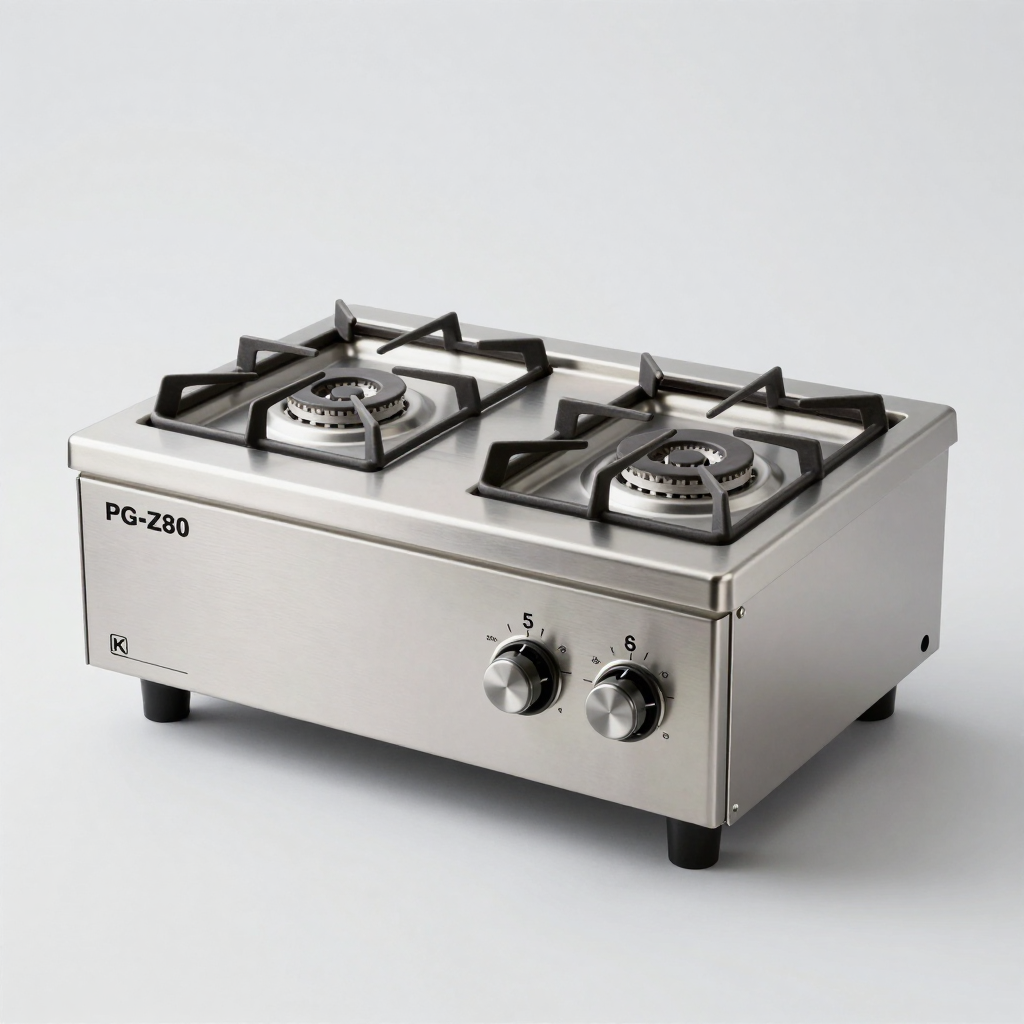
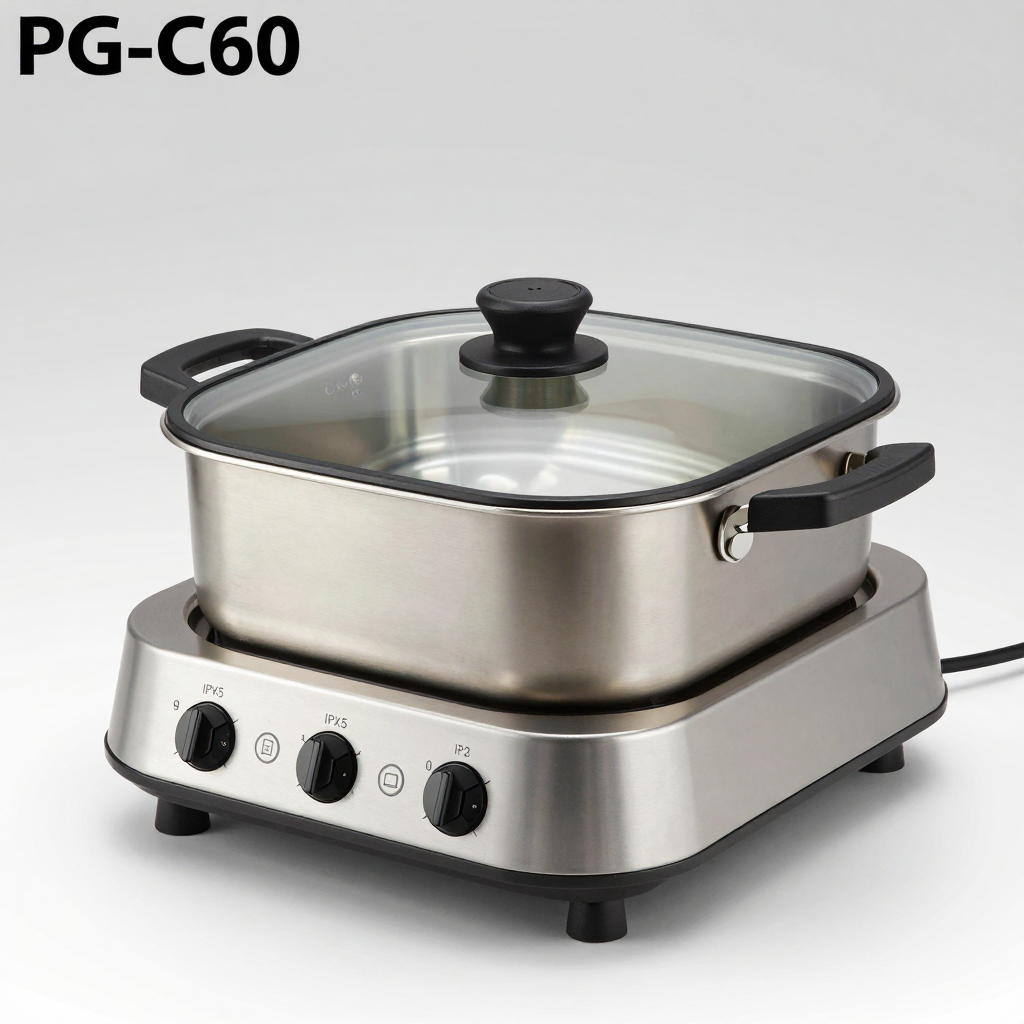
Puguang Kitchen Equipment, a Shenzhen-based manufacturer since 2010, sees this problem differently. After completing retrofits for over 500 catering enterprises, they've found that the most effective path isn't picking one fuel — it's offering both. Their dual-technology route keeps gas infrastructure where it's needed (e.g., stir-fry stations) and swaps in induction for pre-heat, pasta, or buffet lines. The result: a 30% reduction in total kitchen energy consumption, verified by post-installation metering.
Why Two Tech Routes Outperform Single-Fuel Retrofits
The industry standard until recently was to standardize on one energy type to simplify maintenance. But that logic breaks down in high-volume kitchens where cooking demands vary. Gas delivers instant high heat for wok cooking; induction gives precise temperature control and zero ambient heat for sauces or holding. Puguang's smart automatic stir-fry machines and high-efficiency integrated purifiers work with either fuel source, so the kitchen team doesn't have to retrain.
Concrete example: a 200-seat hotel kitchen in Shenzhen replaced 40% of its aging gas stoves with induction units from Puguang, while keeping gas for the main wok line. They paired the swap with Puguang's integrated purifiers (already designed for dual fuel). Energy bills dropped 27% in the first quarter; kitchen exhaust temperature fell enough that HVAC load decreased 12%. The retrofit took six days instead of the projected three weeks because they didn't replace every burner.
Industry data shows that China's 2025 smart manufacturing action plan pushes for 30% energy intensity improvement by 2027. Commercial kitchens that rely solely on one fuel are at risk of missing those targets unless they gut-renovate. Dual-technology retrofits let operators phase in changes while meeting interim reduction goals.
500+ Projects Prove the Model Works
Puguang's track record isn't theoretical. Since 2010, they've delivered full category coverage — from non-standard stainless steel custom fabrication to turnkey kitchen engineering — for hotels, university canteens, and chain restaurants across China. Their factory in Shenzhen produces both gas and induction units, giving clients a single-source retrofit partner instead of juggling two vendors.
The key spec: Puguang's automatic stir-fry machines, when paired with their induction burners, cut batch cooking time by 30–40% compared to standard gas. That speed directly reduces energy consumed per dish. Combined with the integrated purifiers that recapture waste heat for preheating wash water, the total energy saving hits the claimed 30% consistently across project types.
One case: a campus kitchen with 8,000 daily meals switched from gas-only to a 60% induction / 40% gas split using Puguang's modular equipment. Their annual gas bill dropped 35%; induction electricity costs were offset by removing two old exhaust fans. Payback period: 14 months. They've since ordered a second phase for satellite kitchens.
For operators evaluating a retrofit, the decision rule is simple: if your kitchen runs more than one cooking style (stir-fry, boiling, grilling, holding), a single-fuel retrofit is probably costing you 10–20% more in energy and time than a dual-technology solution. Puguang's approach lets you keep what works and upgrade only where it saves — without ripping out the backbone of your kitchen.