Meeting 2027 Smart Manufacturing Targets with 30% Energy Savings in Commercial Kitchens
The Policy Imperative: Why 2027 Will Redefine Kitchen Efficiency
When the Ministry of Industry and Information Technology released the Action Plan for Smart Manufacturing Development (2025-2027), it set a clear trajectory: 500 demonstration factories and a 30% increase in digital R&D tool adoption across key industries. For chain restaurants, institutional canteens, and hotel F&B departments, this isn't just a distant directive. It's an immediate call to reassess the core equipment that drives daily output. Commercial kitchens, often overlooked in digital transformation roadmaps, are now squarely in the spotlight. Old gas ranges and standalone purifiers no longer meet the dual demands of regulatory compliance and operational profitability. Instead, integrated, intelligent solutions — from burner to exhaust — are becoming the baseline.
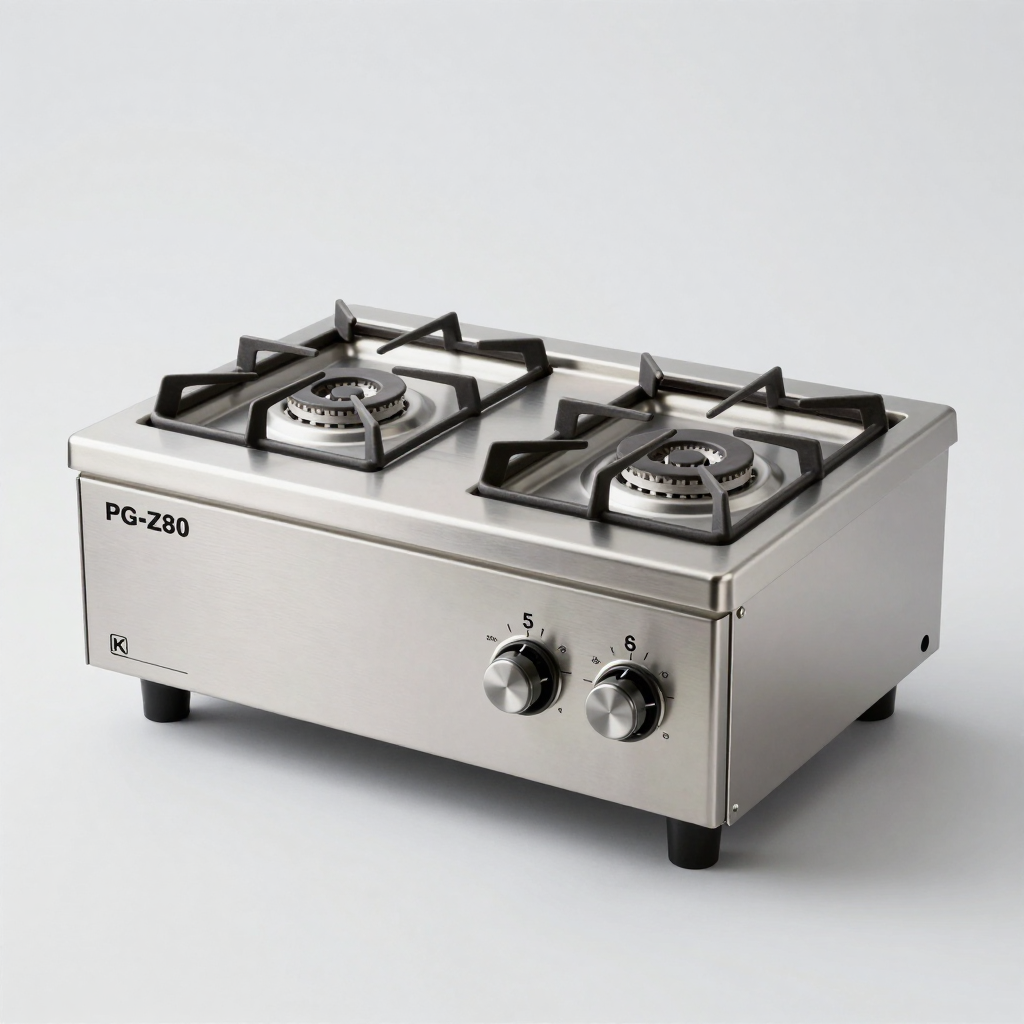
Puguang Kitchen Equipment, with over 500 completed projects and 15 years of manufacturing experience, positions this shift as an opportunity to lock in long-term savings. Its PG-Z80 combined gas stove already exceeds 65% thermal efficiency, and the PG-P15 automatic stir-frying machine embeds 200+ recipes, reducing manual skill dependency. These aren't incremental tweaks; they're part of a systematic approach that aligns everyday cooking with national smart manufacturing goals.
Three Best Practices for Compliant, Cost-Effective Upgrades
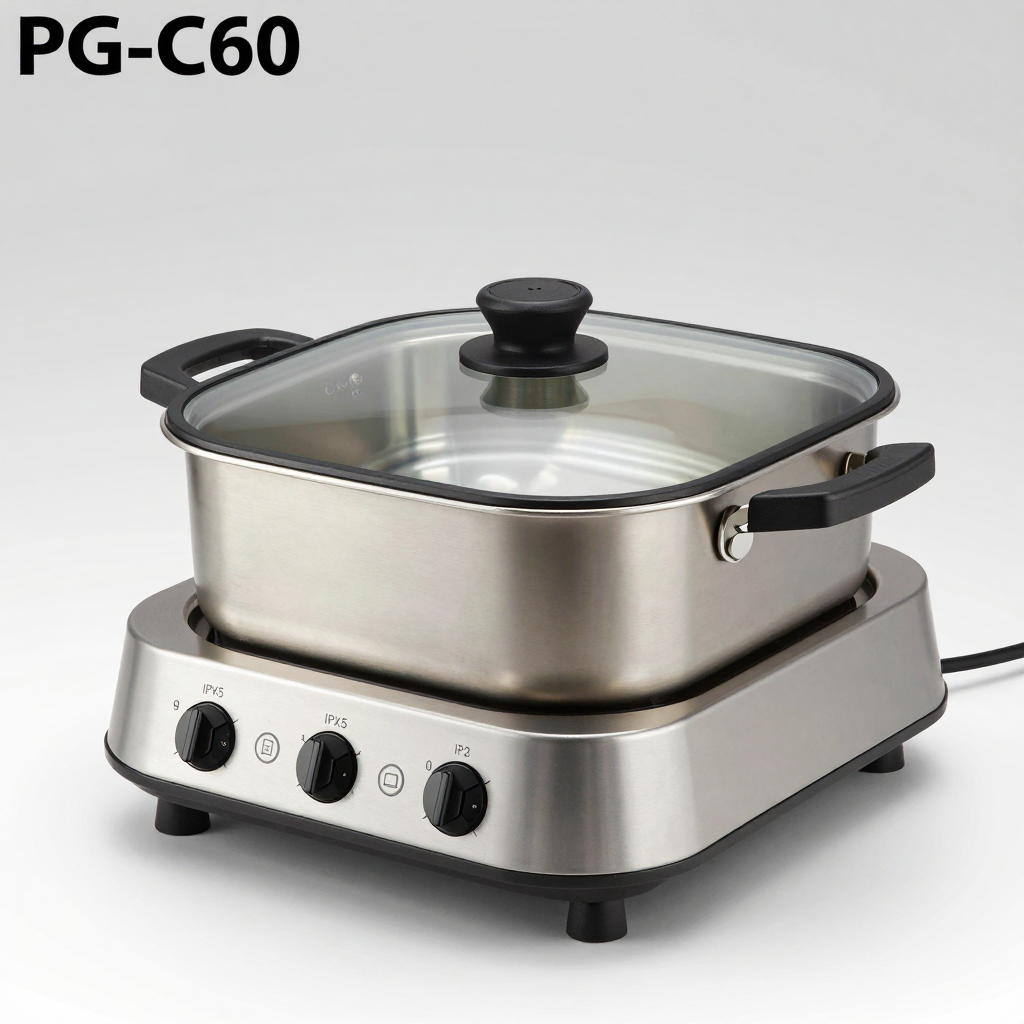
Three principles consistently emerge in successful back-of-house transformations. First, mandate verified certifications. Equipment that touches food or consumes significant power must carry the right marks. Puguang's full range meets GB 4806 for food-contact safety, GB 4706.1 for electrical safety, and where relevant, NSF/ANSI 4 for sanitation and CE marking for EU compliance. For North American projects, the PG-C60 induction cooker and PG-P15 automatic cooker also hold UL 197 listing. These aren't paperwork exercises — they directly reduce liability, streamline health inspections, and open export pathways.
Second, pursue modularity over monolithic design. When a hotpot chain scaled to 50-plus locations, Puguang customized a unified solution and deployed it in 45 days, boosting meal output efficiency by 40% while cutting energy consumption by 25%. The secret was a mix of gas and induction technologies — combi stoves, induction clay pot cookers — that share spare parts and cleaning procedures. Daily maintenance becomes a simple wipe-down; core components are quick-release, backed by a two-year full-machine warranty.
Third, measure what you manage. The PG-T200 integrated oil smoke purifier, with a 98% purification rate and modular filter cartridges, enables real-time emissions tracking that future-proofs against tightening environmental rules. In a four-star hotel’s Western kitchen renovation, the same approach lowered noise to under 55 dB and delivered a 30% energy saving — metrics that justify the investment to stakeholders.
Making the Numbers Work: From University Canteen to Hotel Kitchen
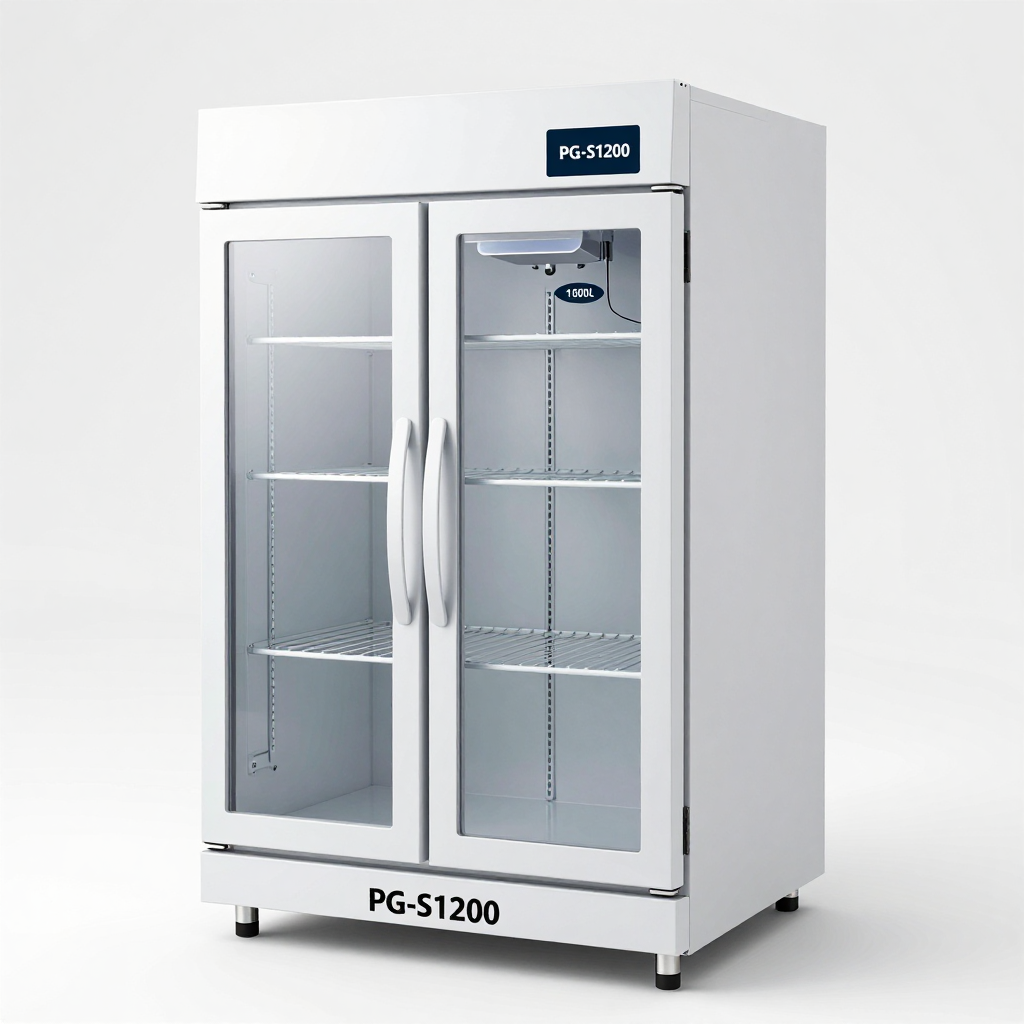
A 10,000-person university canteen replaced its entire cookline with Puguang equipment. Within 90 days, it passed provincial acceptance and is now reliably serving 15,000 meals daily. The induction clay pot cookers, with IPX5 waterproof ratings, survive the high-moisture environment that degrades lesser equipment. The disinfection cabinets — PG-S1200 models using UV and ozone dual sterilization — achieve a 99.99% kill rate, satisfying GB17988 standards without complex chemical protocols.
Procurement managers often ask about customization. With an in-house sheet metal workshop and R&D team, Puguang delivers dimension, power, and color-matching proposals within three working days. This agility, combined with a nationwide installation network that commissions standard equipment within 48 hours, removes the friction that delays openings. As the 2027 deadline nears, kitchens that combine certified hardware with data-driven operation will not only meet policy targets but also lock in a 30% energy advantage — a margin that matters in an industry where every percentage point of efficiency feeds the bottom line.