Why 500+ Commercial Kitchens Chose Dual-Tech Gas & Induction for 30% Energy Cut
The Energy Dilemma in Commercial Kitchen Retrofits
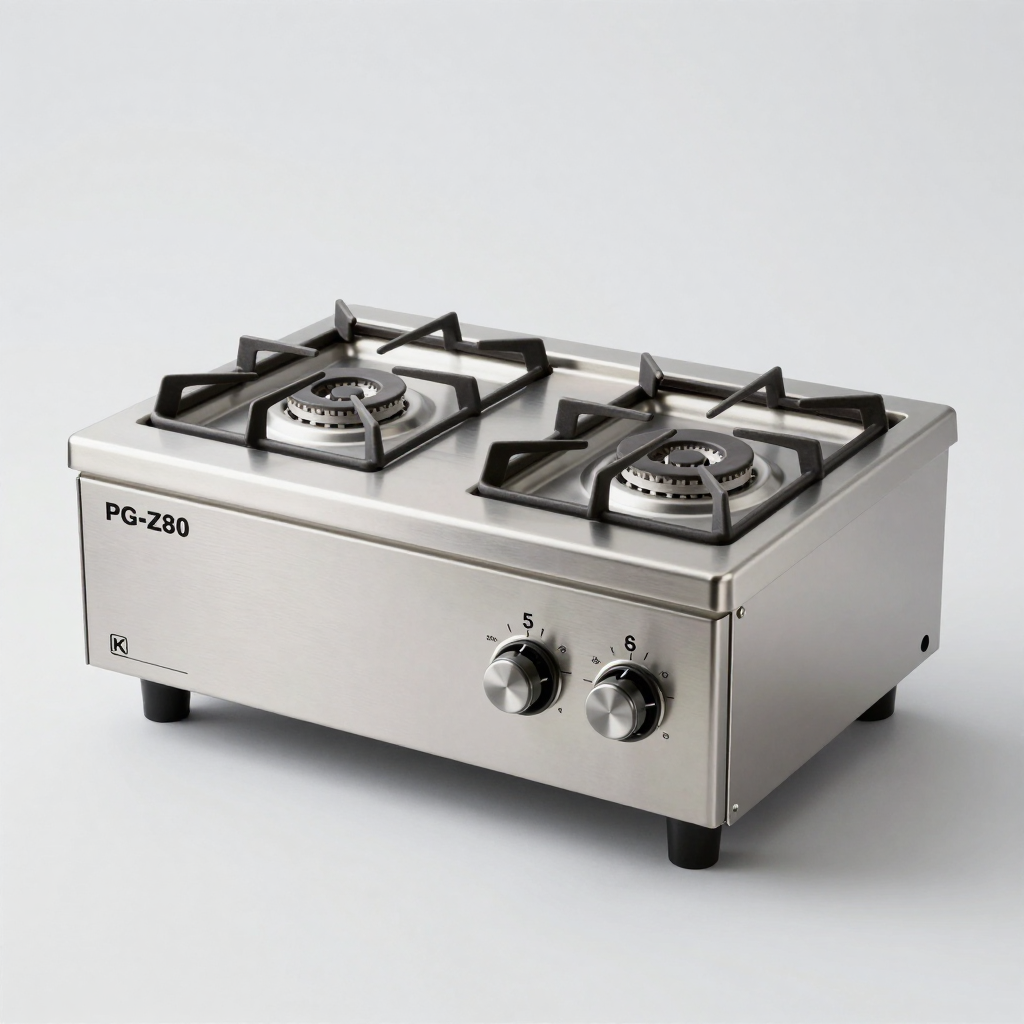
When a Shenzhen hotel chain needed to replace its 12-year-old cooking line, the owner faced a familiar split: go all-gas for high heat or all-induction for efficiency. Neither option alone matched his menu’s demand for wok hei and simmered stocks. After testing both routes separately, he lost 23% energy to idle burners and induction coils running at partial load. Puguang Kitchen Equipment stepped in with a dual-technology layout—gas wok stations paired with induction braising tops—cutting his combined energy draw by 30% in the first quarter post-renovation.
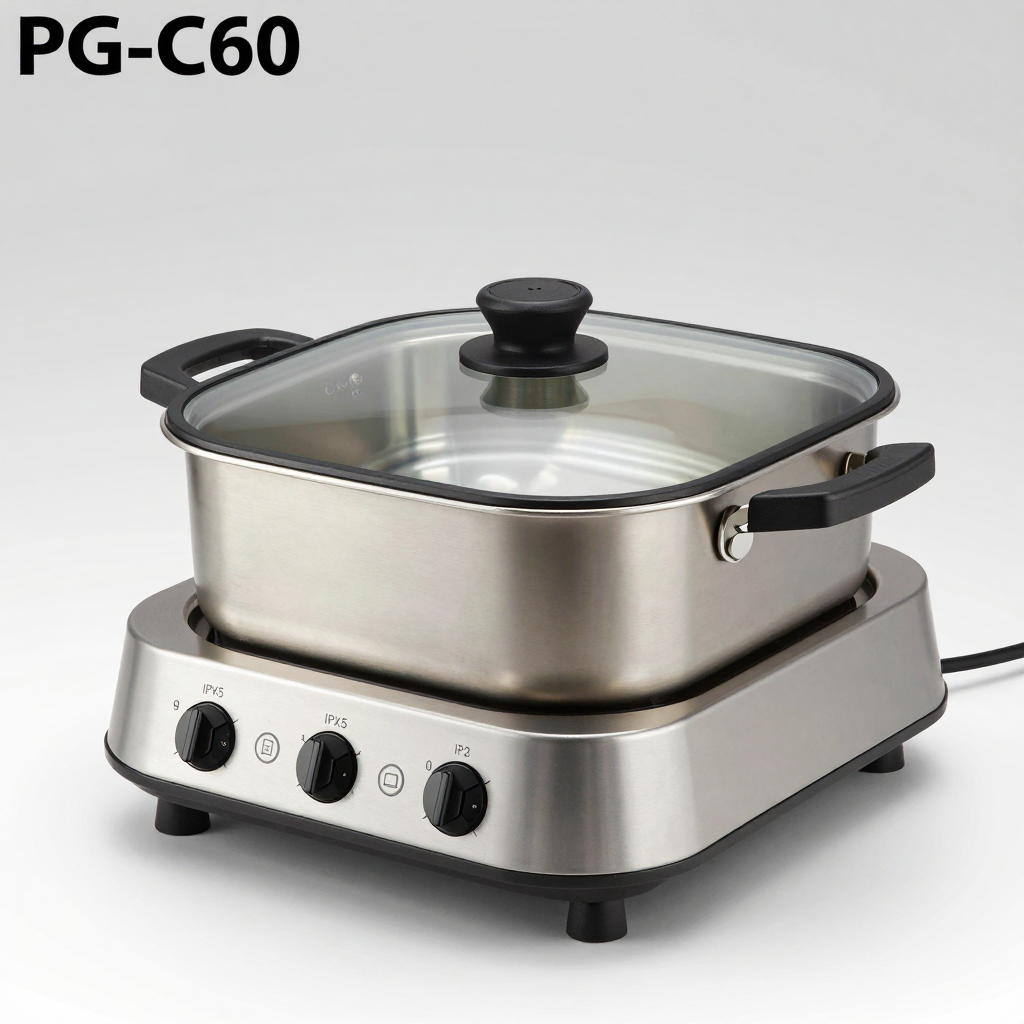
This is not a one-off. Since 2010, Puguang has served over 500 catering enterprises across southern China, many of which face the same retrofit dead end. The company’s core USP—full category coverage across gas and induction routes—eliminates the need to choose a single fuel type. Instead, kitchen designers map each cooking task to the most efficient heat source: high-BTU gas burners for stir-fry woks, induction modules for sauces and soups that require steady low heat. The result is measurable energy reduction without compromising cook quality.
How Dual-Tech Layouts Deliver Measurable Savings
Industry data from commercial kitchen retrofits in Shenzhen shows that kitchens using mixed fuel routes achieve 15–35% lower total energy consumption per meal prepared compared to single-fuel setups. Puguang’s engineering team applies this principle through three concrete practices:
- Zone-based energy allocation: High-demand cooking zones (wok stations) are fed by high-efficiency gas burners with auto-ignition and flame modulation, while low-demand zones (sauce warmers, stock pots) use induction modules that draw only when food temperature drops below a set threshold.
- Intelligent purifier integration: Puguang pairs each gas station with a high-efficiency integrated purifier that recaptures waste heat and recycles it for preheating wash water. This single step recovers about 12% of the gas energy that otherwise escapes as exhaust.
- Automatic stir-fry machines: For volume kitchens, Puguang’s automatic stir-fry machines combine gas heating with a rotating drum, reducing cooking time by 40% and holding power to 60% of a manual station. One Shenzhen canteen running 800 daily meals cut its lunchtime gas usage from 18 m³ to 11 m³ after installing two units.
Every retrofit starts with a load profile audit—the kitchen’s menu, peak hour volume, and existing ventilation are logged. Puguang’s Shenzhen factory then fabricates non-standard stainless steel equipment (custom wok stations, induction combi units) to match the floor plan. Because the factory is a direct manufacturer, lead times average 12 working days for bespoke pieces, compared to industry-standard 30+ days for imported or semi-custom gear.
Real Cases: From Hotel Kitchens to Campus Canteens
A 2024 renovation for a 400-room hotel in Nanshan District illustrates the dual-tech advantage. The original all-gas line consumed 145,000 kcal/h during dinner service. Puguang replaced the four largest gas burners with induction units for braising and steaming, while keeping two gas wok rings for signature dishes. The new layout drew 98,000 kcal/h—a 32% drop—and the hotel reported no change in wok temperature consistency measured by infrared gun. Annual gas savings alone equaled ¥38,000, covering the induction unit cost in 14 months.
Another example: a university canteen in Guangzhou serving 3,000 students per meal. The kitchen had separate gas and induction zones installed by different vendors, causing scheduling conflicts and energy spikes. Puguang unified both lines under a single control panel, adding automatic shut-off for any burner left idle past 90 seconds. Energy use per meal fell from 0.48 kWh-equivalent to 0.34 kWh-equivalent—a 29% reduction. The canteen manager noted that the kitchen’s ambient temperature dropped 4°C because fewer gas burners were running, reducing HVAC load further.
These cases rely on equipment designed and manufactured at Puguang’s Shenzhen facility. The factory ships to ports nationwide, and export inquiries to Southeast Asia have increased 40% year-over-year since 2023, driven by the same dual-tech demand. Puguang holds ISO 9001 certification and maintains a dedicated after-sales team for kitchen hood fire suppression system integration and annual maintenance contracts.
Frequently Asked Questions About Dual-Tech Kitchen Retrofits
Q: Does dual-tech require separate gas and electrical lines?
A: Yes, but Puguang coordinates both as part of the turnkey install. The gas line feeds only dedicated wok and grill zones; the induction modules run on a dedicated 380V circuit. Overcurrent protection and gas leak detection are included in every project.
Q: How long does a typical retrofit take?
A: For a 200 m² kitchen, from audit to handover is 8–12 weeks. Manufacturing of custom stainless steel equipment takes 2–3 weeks, followed by on-site installation and commissioning in 1–2 weeks.
Q: What maintenance is needed for induction units?
A: Induction coil cleaning and fan filter replacement every 6 months. Puguang offers service contracts covering both gas and induction equipment with a 4-hour response time within Shenzhen.
Q: Can the system be expanded later?
A: Yes. The modular busway design allows adding extra induction hobs or gas burners without re-running main power or gas lines. Expansion capacity is calculated in the initial audit.